As a family-owned business since 1982, Tagawa Gardens has been cultivating beauty, creating community, and helping Colorado gardeners succeed through every season of the year.
Fall Savings
Buy One Get One FREE Japanese Pansy Packs* *Must buy at least two packs to receive discount.
50% Off Pumpkins while supplies last
50% Off Halloween Décor with blue price stickers
30% Off Fall Décor with pink price stickers
40% OFF Mums
30% OFF Ceramic Birdbaths with discount sticker
*Valid only on price of plant, not valid on Planting Services, Garden Coaching, delivery, or labor charges. Discount cannot be combined with other % Off discounts or offers.
In collaboration with renowned plant breeder Mr. Isao Sato of Sato Nursery in Japan, we are honored to introduce eight brand-new pansy varieties to the US market. These pansies have been cultivated from Mr. Sato’s esteemed plant breeding facility and are available again at Tagawa Gardens now!
While supplies last. Plants are available in an XXL 6-pack for $29.99 (3 packs to a tray). *Please note that color may vary from photographs due to natural fluctuations in sun exposure, soil conditions, etc. *
Discover the brilliance of glow-in-the-dark petunias! On Saturday, April 12 at 9:00am, join us in person for our Firefly Petunia release, where Firefly Petunias will be available for direct purchase at Tagawa Gardens.(Limit 2 per guest. While supplies last.)
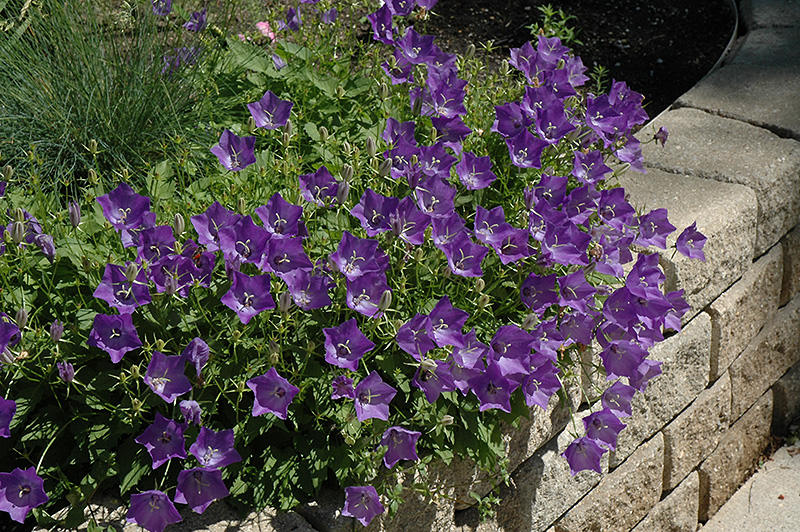
When you visit Tagawa Gardens, you’ll discover a wide selection of perennial flowers, grasses, groundcovers, and vines – from late winter hellebores and spring peonies to summer honeysuckle and autumn mums.
As you choose the plants best suited to your sun or shade location, our experienced Perennial Team will help you find the right plant for the right place in your Colorado landscape.
Only a few spots remaining!This class will teach you how to arrange a stunning winter planter to make your porch or patio pop for the season! Learn how to arrange fresh evergreen boughs and seasonal embellishments to take home something with that personal touch.
november 7-9 | Friday - SundayApplewood Arts Festivalat tagawa gardens
Boutique Hours:
Friday, November 7, 2025: 9:30am-4pm Saturday, November 8, 2025: 9:30am-4pm Sunday, November 9, 2025: 9:30am-3pm
Indoor Event | $6 admission (free for children 12 & under)
Experience a wonderful prelude to the holiday season! Tagawa Gardens is happy to welcome back this indoor boutique event featuring an array of hand-made goods created by artisans and crafters from around Colorado. Peruse over 80 booths of food and gift items for all those on your holiday list. Make a day of it and enjoy lunch while you shop local!
*For all vendor inquiries, please contact Applewood Arts Festivals directly through their website. Click here for their website!
Friday, April 25 | 4:00 - 7:00pmA Night of Wine & RosesPlus Storewide Spring Garden Sale!
Friday, April 25
Storewide Sale | 9:00am – 7:00pm | 20% Off Nearly Everything Wine Tasting | 4:00 – 7:00pm
With 20% off nearly everything in stock, and a greenhouse overflowing with beautiful plants, this is one day you won’t want to miss! In the evening, our signature Night of Wine & Roses event will feature wine-tasting by our friends from Balistreri Vineyards and live music from Jeanette//Streight and from harpist Ann Marie Liss. Make it a date and join us!
Now accepting applications for seasonal positions!
Have you ever dreamed of working at Tagawa Gardens? We’re now accepting applications for seasonal positions at our Garden Center. Click below for details, and click on “Current Job Openings” to start an application!
As a community of plant enthusiasts, we are passionate about learning.
Tagawa Gardens is excited to bring to you in-person learning opportunities, fresh resources, and timely videos, featuring a cast of your favorite garden center staff and local guest instructors.
Tagawa Gardens is excited to bring to you in-person learning opportunities, fresh resources, and timely videos, featuring a cast of your favorite garden center staff and local guest instructors.
Read the latest from our Garden Ambassador, Luan Akin! With down-to-earth flair and a whole lot of fun, Luan hits the highlights that Colorado gardeners need to know.
You may have noticed a bright and beautiful addition to our giant watering can. Spotlighting the multi-talented Muralist, Jacintha Kruc, we are so excited to share her inspired artwork that has lent inspiring beauty to our greenhouse.